
Real Estate
Quiet Title Attorneys
A quiet title action asks the court to decide, once and for all, who owns the property and on what terms.
When a quiet title action is the right tool
A quiet title action asks the court to determine who holds what interest in a property, and to issue a judgment that can be recorded and relied on.
It is the remedy when a competing claim cannot be cleared by agreement: the holder cannot be found, will not cooperate, has died, or no longer exists in a form that can sign a release. It is also the remedy when the question is what a recorded instrument means, because only a court can settle that in a way that binds everyone.
What you are buying with the litigation is a document a title insurer will accept. That outcome is decided by choices made at the start of the case, not at the end.
Multiple parcels in the same subdivision
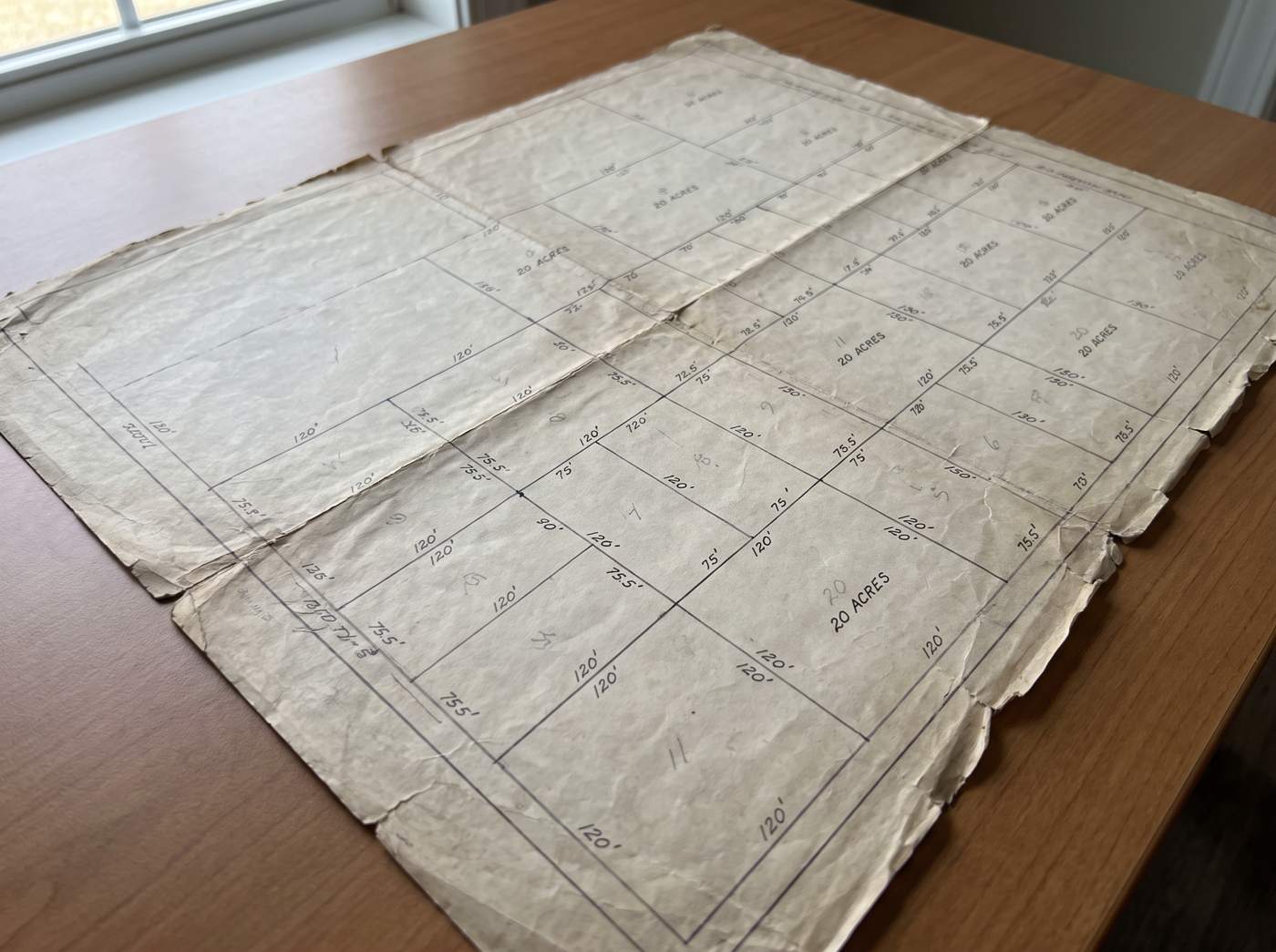
One of the situations we are asked about most is a defect that runs through several parcels in a single subdivision, rather than affecting one lot alone.
It happens when the original subdivision map, the underlying descriptions or an early conveyance carried an error that was then repeated down every chain. A missing dedication, a strip never conveyed to anyone, an easement described inconsistently across the tract, or a break that appears in each lot's history at the same point.
These matters need to be scoped before they are filed. Whether the parcels can be addressed in one action depends on whether the defect and the necessary parties are genuinely common. Where they are, a single action is far cheaper for everyone. Where they are not, joining them produces a case that is slower than several separate ones.
The parties question is usually the hard part, because a defect running through a whole tract can implicate every owner in it plus their lenders and title insurers.
The rule that catches people out
California does not let a quiet title case be won on a defendant's silence. Code of Civil Procedure section 764.010 requires the court to hear evidence of the plaintiff's claim and examine the claims of the other parties before entering judgment, whether or not anyone appeared.
So a default does not end the case. You still have to prove your own title, the recording history, the basis on which the competing claim fails, and that everyone with a potential interest was named and served correctly.
We prepare these as though they will be tried, because in the sense that matters they all are.
What the complaint must contain
The property described by its legal description, not its street address. The plaintiff's title and how it arose. The adverse claims the action is directed against. The date as of which the determination is sought.
The complaint is verified, meaning the signer swears to the facts rather than pleading them on information and belief. Facts that cannot be verified have to be established another way before filing.
Unknown claimants are contemplated by the procedure and are named and served through a defined route. Getting that wrong is the most common reason a judgment fails to do its job.
Cost, timing and what drives both
The length of a quiet title matter is set by how many parties must be found and served, and whether anyone defends. An action against identifiable parties who do not contest it is measured in months. Service by publication on unknown claimants adds the publication period plus the time to satisfy the court that reasonable diligence was used to find them.
The predictable costs are the title research, the filing and the service. A full chain search is not optional in these matters and it is money well spent, because it defines who has to be named.
The unpredictable cost is a defendant who appears and fights, at which point the matter runs like any contested civil case.
Where it is filed
Under Code of Civil Procedure section 392 the action is filed in the county where the property sits. That is also where the recording history is held, so both halves of the case are local to the parcel.
The superior court assigns the courthouse and department under its current rules. Confirm that assignment before filing.
The court must hear evidence and examine the claims before entering a quiet title judgment, even against a defaulting party.
Call the firm
Describe the property and the dispute so the firm can assess whether it is a matter it handles.
Call to ask about an initial consultation.
Contacting us does not create an attorney-client relationship, and please do not send confidential details until we have agreed in writing to represent you.
Related matters
Our offices
Answers before you call
Common questions
How much does a quiet title action cost in California?
How long does a quiet title action take?
Can a quiet title action be won by default?
Will a title company insure the property afterwards?
Can one action cover several parcels in the same subdivision?
What happens when you call
No mystery, no pressure.
You describe the property and the dispute
The address, who else claims an interest, and anything already filed or recorded. Having those to hand is what makes a first call useful.
You find out whether it is work this firm takes
Real property, trust and estate litigation is what this firm does. If a matter sits outside that, the call is where you learn it.
Representation begins in writing, or not at all
No attorney-client relationship begins unless the firm agrees in writing to represent you. Until it does, please do not send confidential information.
Venue by matter type
Quiet Title across Southern California
A real property action is generally filed in the county where the property sits, not where you live.
Los Angeles
Los Angeles County. Court assignment is confirmed under the rules that apply to the specific matter.
Los Angeles officeOntario
San Bernardino County. Court assignment is confirmed under the rules that apply to the specific matter.
Ontario officeSan Diego
San Diego County. Court assignment is confirmed under the rules that apply to the specific matter.
San Diego officeCarlsbad
San Diego County. Court assignment is confirmed under the rules that apply to the specific matter.
Carlsbad officeFrom our writing
Quiet Title explained
Articles by the firm on the questions this practice raises most often.
Quiet Title Actions in California
A quiet title action asks a court to decide who owns a property and on what terms. When you need one, what it takes to win, and why nobody wins by default.
5 min readLegal Title, Equitable Title, and Who Can Sue
The distinction decides who has standing to bring a quiet title action in California. If you hold only the equitable interest, the case may not be yours to file.
3 min readTypes of Deed Used in California
Grant deed, quitclaim, warranty. The deed you receive decides what the seller has promised you about the title, and the difference matters when something goes wrong.
4 min readWhat a Cloud on Title Is and How It Clears
A title search has turned up something and your sale is stuck. The common defects on California property, which ones stop a closing, and what it takes to clear each.
4 min read