
Estate & Probate
Trust Litigation Attorneys
Trust litigation has one deadline that ends more cases than any argument does.
When a trust becomes a dispute
A trust holding real property produces disputes at predictable moments: the settlor dies and the successor trustee takes over, a beneficiary asks a question that is not answered, or the trustee proposes to sell the property.
Four complaints come up most often. The trustee will not communicate or account for what they have done. The trustee is favoring one beneficiary over the others. The trust was changed shortly before death. Or property everyone assumed was in the trust turns out not to be.
The 120-day clock
Probate Code section 16061.7 requires the trustee to serve notification on beneficiaries and heirs when a revocable trust becomes irrevocable. Section 16061.8 requires a contest by the later of 120 days after service or 60 days after a copy of the trust terms is delivered during that 120-day period, whichever is later.
That period is the single most important deadline in this area and it is missed constantly, because the letter looks administrative and the family is dealing with a death.
If you have that letter and you have concerns, the service date governs everything that follows.
A trustee's duties over real property
To administer according to the trust instrument. To account to the beneficiaries. To deal impartially between beneficiaries with different interests. To avoid self-dealing. To keep trust property productive and properly insured.
Where the trust holds a house, those duties get specific quickly. Allowing one beneficiary to occupy it rent free while the trust pays the costs affects the others. Selling to a connected buyer without testing the market is self-dealing in substance whatever the paperwork says. Leaving a property uninsured or deteriorating is a failure to preserve it.
The unfunded trust
The most common trust problem in California is not a bad trustee. It is a trust that was properly drafted and never funded, so the house is still in the settlor's personal name and the trust does not control it.
It happens after a refinance where the lender required title out of the trust, after a later purchase taken in personal name, or because the deed was drafted and never recorded.
The remedy after death is a petition under Probate Code section 850. Before death it is a deed, which takes minutes. Checking the vesting on the current recorded deed is worth doing today.
Where trust matters are heard
Probate Code section 17005 generally looks to the trust's principal place of administration, with separate rules for testamentary trusts and other circumstances.
After the county is identified, the superior court's current assignment rules determine the courthouse and department.
A trust contest must be brought by the later of 120 days after service of the trustee's notification or 60 days after a copy of the trust terms is delivered during that 120-day period.
Call the firm
Describe the property and the dispute so the firm can assess whether it is a matter it handles.
Call to ask about an initial consultation.
Contacting us does not create an attorney-client relationship, and please do not send confidential details until we have agreed in writing to represent you.
Related matters
Our offices
Venue by matter type
Trust Litigation across Southern California
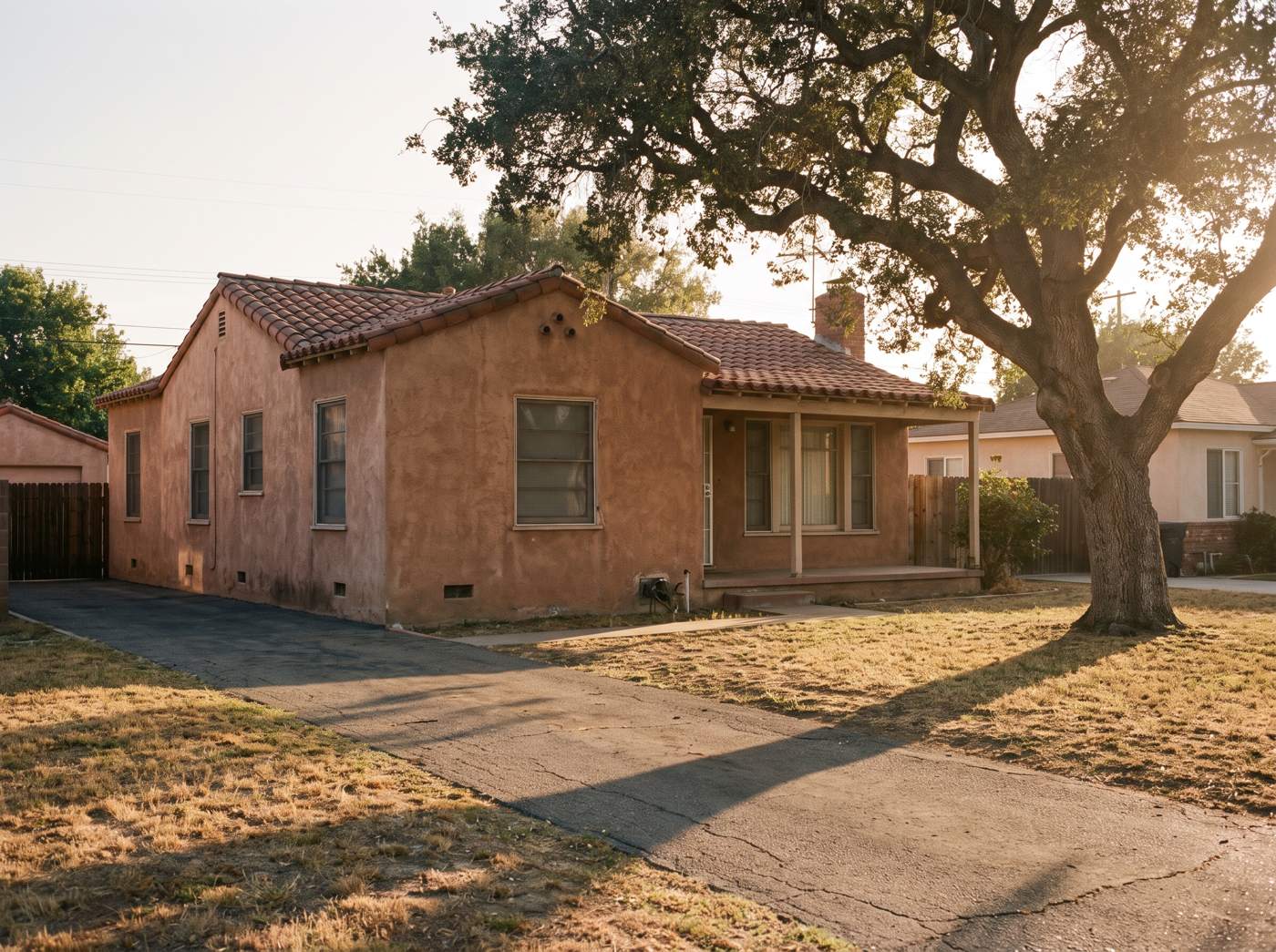
A real property action is generally filed in the county where the property sits, not where you live.
Los Angeles
Los Angeles County. Court assignment is confirmed under the rules that apply to the specific matter.
Los Angeles officeOntario
San Bernardino County. Court assignment is confirmed under the rules that apply to the specific matter.
Ontario officeSan Diego
San Diego County. Court assignment is confirmed under the rules that apply to the specific matter.
San Diego officeCarlsbad
San Diego County. Court assignment is confirmed under the rules that apply to the specific matter.
Carlsbad officeAnswers before you call
Common questions
How long do I have to contest a trust?
Can I make a trustee account?
The trustee is letting one beneficiary live in the property rent free. Is that a breach?
My parent's house was never put in their trust. What happens?
What happens when you call
No mystery, no pressure.
You describe the property and the dispute
The address, who else claims an interest, and anything already filed or recorded. Having those to hand is what makes a first call useful.
You find out whether it is work this firm takes
Real property, trust and estate litigation is what this firm does. If a matter sits outside that, the call is where you learn it.
Representation begins in writing, or not at all
No attorney-client relationship begins unless the firm agrees in writing to represent you. Until it does, please do not send confidential information.