
Estate & Probate
California Probate Attorneys
Probate is the court supervised process of transferring what someone owned after they die.
What probate does, and when it is required
Probate is the court-supervised process for transferring what a person owned at death. The court confirms the will if there is one, appoints a personal representative, establishes what the estate holds, deals with creditors, and authorizes distribution.
It is required where assets were held in the deceased person's own name without a survivorship feature or a beneficiary designation, and where the value exceeds the threshold for the simplified procedures.
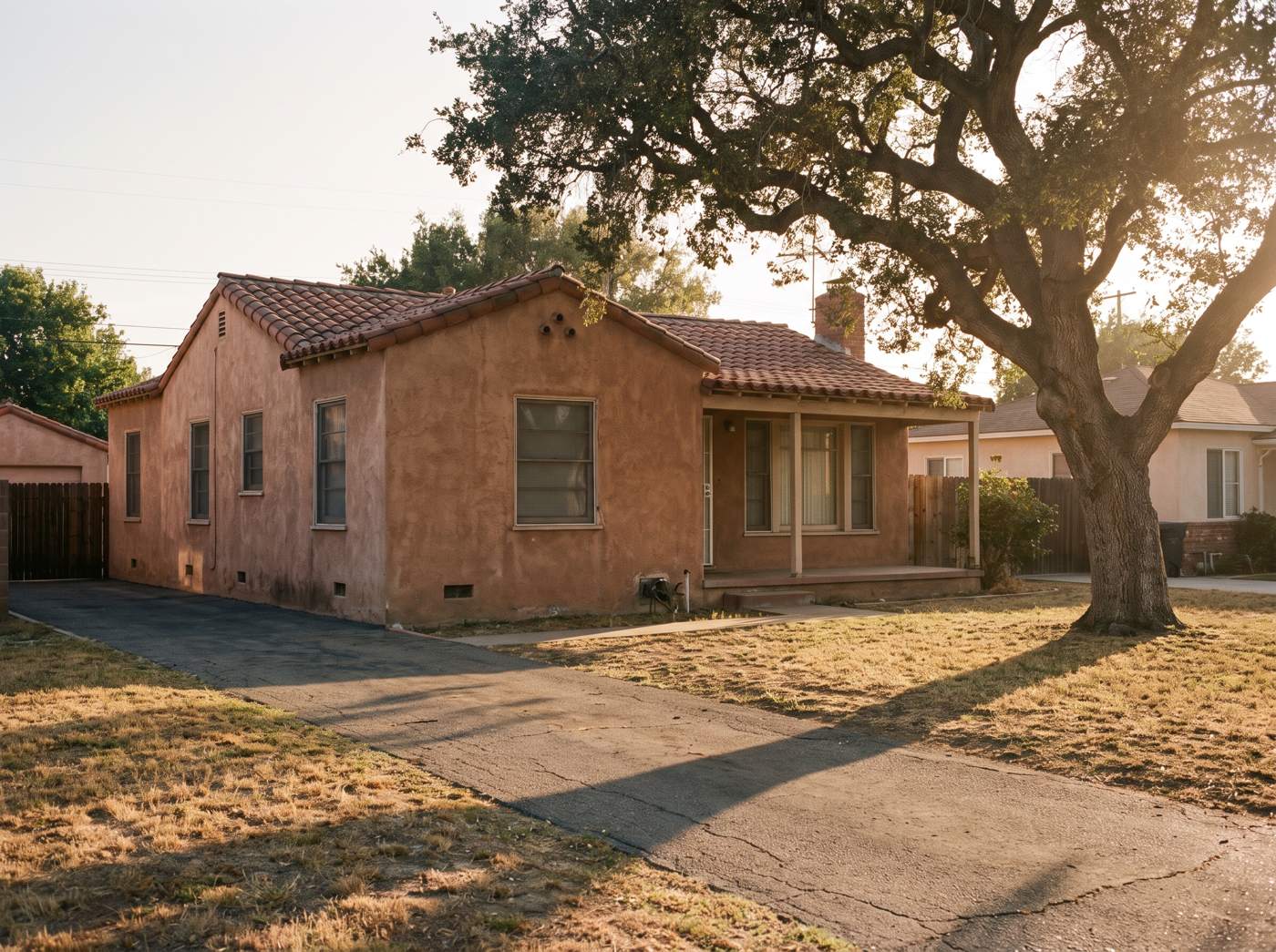
In most California estates the asset that forces probate is the house. Bank accounts often pass by designation and vehicles have their own route, but real property held in a personal name generally does not move without the court.
What it costs and how long it takes
California is one of the states where statutory compensation for the personal representative and the attorney is calculated against the value of the estate rather than the work involved. Because the calculation uses gross value rather than equity, a heavily mortgaged house produces a fee based on the whole property, not the part the family owns.
That arithmetic is the reason so many California families use a trust, and it is worth understanding before assuming probate is a formality.
Timing depends on whether anyone contests, whether creditors appear, and whether real property has to be sold. A straightforward estate is measured in many months rather than weeks.
Where real property makes probate harder
Property in a different county to the decedent's residence, which means dealing with two courts.
Property held with someone else, where the estate's share has to be dealt with while a co-owner is in occupation. That is where probate and partition meet, and it is one of the more common situations we see.
Property that was supposed to be in a trust and never was, which is addressed by a petition under Probate Code section 850.
Property whose title carries a defect nobody noticed until the estate tried to sell it.
Where a probate is filed
In the superior court of the county where the decedent resided. Where the real property sits in a different county, the property questions can end up in a different courthouse to the estate.
Probate Code section 7051 generally uses the California decedent's domicile to determine the county. The superior court's current rules determine the courthouse and department.
We keep offices in Los Angeles, Ontario, San Diego and Carlsbad. Office location does not determine probate venue.
What to gather
The death certificate. The original will if there is one, and any trust. The deed to any real property and a current title report. Recent mortgage and property tax statements. A list of accounts and any beneficiary designations. The names and addresses of the people entitled to notice.
Where a trust exists but the house is still in a personal name, bring both documents. That combination is the single most common problem we are asked to fix.
The petition for probate and the notice requirements that follow it.
Call the firm
Describe the property and the dispute so the firm can assess whether it is a matter it handles.
Call to ask about an initial consultation.
Contacting us does not create an attorney-client relationship, and please do not send confidential details until we have agreed in writing to represent you.
Our offices
Venue by matter type
Probate across Southern California
A real property action is generally filed in the county where the property sits, not where you live.
Los Angeles
Los Angeles County. Court assignment is confirmed under the rules that apply to the specific matter.
Los Angeles officeOntario
San Bernardino County. Court assignment is confirmed under the rules that apply to the specific matter.
Ontario officeSan Diego
San Diego County. Court assignment is confirmed under the rules that apply to the specific matter.
San Diego officeCarlsbad
San Diego County. Court assignment is confirmed under the rules that apply to the specific matter.
Carlsbad officeAnswers before you call
Common questions
How long does probate take in California?
How much does probate cost in California?
Can probate be avoided?
What if the house is in a different county?
What happens when you call
No mystery, no pressure.
You describe the property and the dispute
The address, who else claims an interest, and anything already filed or recorded. Having those to hand is what makes a first call useful.
You find out whether it is work this firm takes
Real property, trust and estate litigation is what this firm does. If a matter sits outside that, the call is where you learn it.
Representation begins in writing, or not at all
No attorney-client relationship begins unless the firm agrees in writing to represent you. Until it does, please do not send confidential information.