
Real Estate
Seller Non-Disclosure Attorneys
You bought the house, then you found the thing the seller knew about and did not tell you.
What a California seller must disclose
A seller of residential property must tell you about problems they know about that would change what the property is worth or how much a buyer would want it. The law calls those known conditions that materially affect the value or desirability of the property. Civil Code sections 1102 and following require delivery of a Transfer Disclosure Statement on most sales of one to four residential units. That is the standard form the seller fills in and hands to the buyer.
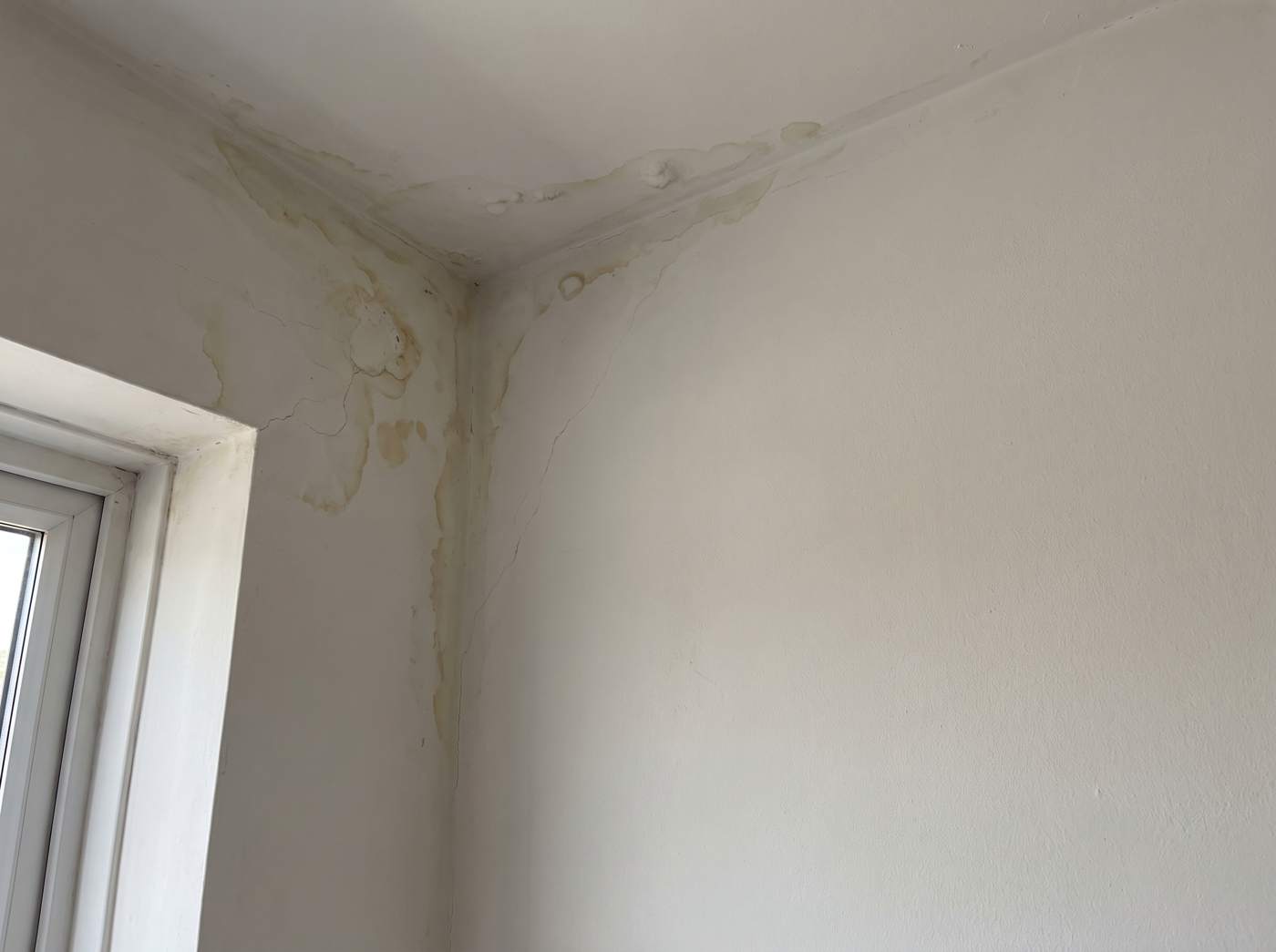
The obligation reaches what the seller actually knows, and it is broader than defects in the structure. Water intrusion and its history. Foundation, drainage and soils problems. Work done without permits, including work done well. Boundary or easement disputes with neighbors. Litigation affecting the property. Death on the property within the period the statute sets. And neighborhood conditions the seller knows about that a buyer would not discover.
The statutory form is a floor, not a ceiling. If the seller knows a material fact, meaning one that bears on the value or the appeal of the property, it still has to be disclosed even where the form does not ask about it.
Where these cases are won
The dispute is almost never about whether the defect exists. It is about what the seller understood, and at what point. That is proved from documents rather than testimony.
Permit records at the city or county, which show what was permitted and, by what is missing, what was not. Prior repair invoices and contractor estimates. The insurance claims history on the property, because a previous water damage claim is difficult to reconcile with a disclosure denying knowledge of water intrusion. Prior listings, which persist online and sometimes carry photographs contradicting the current disclosure. And neighbors, who usually know about a drainage or boundary problem that has run for years.
The agents' file matters too. Agents carry their own obligation to look the property over and report what a visual inspection turns up. A file showing the agent knew is a different case to one showing only the seller knew.
The as-is clause does not do what sellers hope
An as-is clause moves the risk of conditions a buyer could discover by inspecting onto the buyer. That is all it does. It does not permit a seller to conceal a known material fact, and it does not displace the disclosure obligations the statute imposes.
Where the seller actively concealed the problem, the clause is close to irrelevant. Painting over the staining. Re-landscaping to redirect water. Timing a viewing to avoid a recurring problem. That is active concealment, and an as-is clause does not cover it.
Where the defect was reasonably discoverable and the buyer waived inspections, the clause does most of the work the seller wanted.
Before you repair anything
Repairing destroys the evidence of what was wrong. The condition as you found it is the center of the case.
Photograph everything before work starts, dated, including areas that will be closed up again. Get an inspection report from a qualified inspector or engineer describing the condition and, where they can tell, its likely age and cause. Age matters, because a defect that plainly predates the sale is hard to attribute to the buyer. Keep removed materials where practical, and keep every invoice.
Where a repair cannot wait, the documentation matters more rather than less.
Mediate before you file
Most California residential purchase agreements require mediation before litigation. Mediation is a meeting run by a neutral person who helps the two sides settle. In many of those agreements, the right to recover attorney fees depends on having attempted it.
A buyer who files first can win the case and still recover no fees. On a claim of moderate size that can mean the recovery does not cover the cost of obtaining it. It is the most common error in these disputes, and the most avoidable.
Read the dispute resolution and attorney fee paragraphs of your own agreement before taking any step. If an arbitration provision was initialled at purchase, that decides where the matter is heard as well. Arbitration means a private decision maker rather than a courtroom.
Residential sellers must deliver a Transfer Disclosure Statement. Waiver of the requirement is void as against public policy. Court ordered sales, including probate sales, are exempt.
Call the firm
Describe the property and the dispute so the firm can assess whether it is a matter it handles.
Call to ask about an initial consultation.
Contacting us does not create an attorney-client relationship, and please do not send confidential details until we have agreed in writing to represent you.
Related matters
Our offices
Answers before you call
Common questions
What must a seller disclose in California?
Can I sue a seller for not disclosing a defect?
Does an as-is clause remove the duty to disclose?
How long do I have to bring a nondisclosure claim in California?
What if the seller says they did not know?
What happens when you call
No mystery, no pressure.
You describe the property and the dispute
The address, who else claims an interest, and anything already filed or recorded. Having those to hand is what makes a first call useful.
You find out whether it is work this firm takes
Real property, trust and estate litigation is what this firm does. If a matter sits outside that, the call is where you learn it.
Representation begins in writing, or not at all
No attorney-client relationship begins unless the firm agrees in writing to represent you. Until it does, please do not send confidential information.
Venue by matter type
Non-Disclosures across Southern California
A real property action is generally filed in the county where the property sits, not where you live.
Los Angeles
Los Angeles County. Court assignment is confirmed under the rules that apply to the specific matter.
Los Angeles officeOntario
San Bernardino County. Court assignment is confirmed under the rules that apply to the specific matter.
Ontario officeSan Diego
San Diego County. Court assignment is confirmed under the rules that apply to the specific matter.
San Diego officeCarlsbad
San Diego County. Court assignment is confirmed under the rules that apply to the specific matter.
Carlsbad officeFrom our writing
Non-Disclosures explained
Articles by the firm on the questions this practice raises most often.
Seller Didn't Disclose a Defect? Your Rights in California
California sellers must disclose known material facts. What the Transfer Disclosure Statement covers, and what a buyer does on finding a defect.
5 min readConstruction Defects in New California Homes
The Right to Repair Act sets standards for new residential construction and a pre-litigation procedure. Missing that step stalls a claim before it starts.
3 min readContingencies in a California Purchase Agreement
A contingency is a condition that must be met before a sale binds. How each works, how they are removed in writing, and when the deposit is at risk.
3 min readWhat an As-Is Clause Does and Does Not Do
An as-is clause shifts the risk of discoverable conditions to the buyer. It does not license concealment, and it does not displace the statutory disclosure duty.
3 min read