
Estate & Probate
California Will Attorneys
A will decides who receives what, and it does so through the probate court rather than around it.
What a will does and what it cannot do
A will directs who receives what and names an executor. It takes effect at death and, for assets held in the deceased person's own name, it generally operates through probate rather than instead of it.
It does not control property that passes another way. Property held in joint tenancy passes to the survivor. Property in a funded trust is governed by the trust. Accounts with beneficiary designations follow the designation. A will that contradicts any of those does not override them, which is a frequent and expensive surprise.
How a California will must be executed
Probate Code section 6110 sets the requirements for a witnessed will: in writing, signed by the testator, and witnessed by at least two people present at the same time who understood the instrument to be the testator's will.
Section 6111 provides for a holographic will, where the signature and the material provisions are in the testator's own handwriting. A holographic will does not require witnesses, which is why they exist, and their informality is why they get contested.
Documents prepared without regard to those requirements are the ones that produce litigation, and the cost of the contest usually exceeds what careful drafting would have cost.
Wills and real property
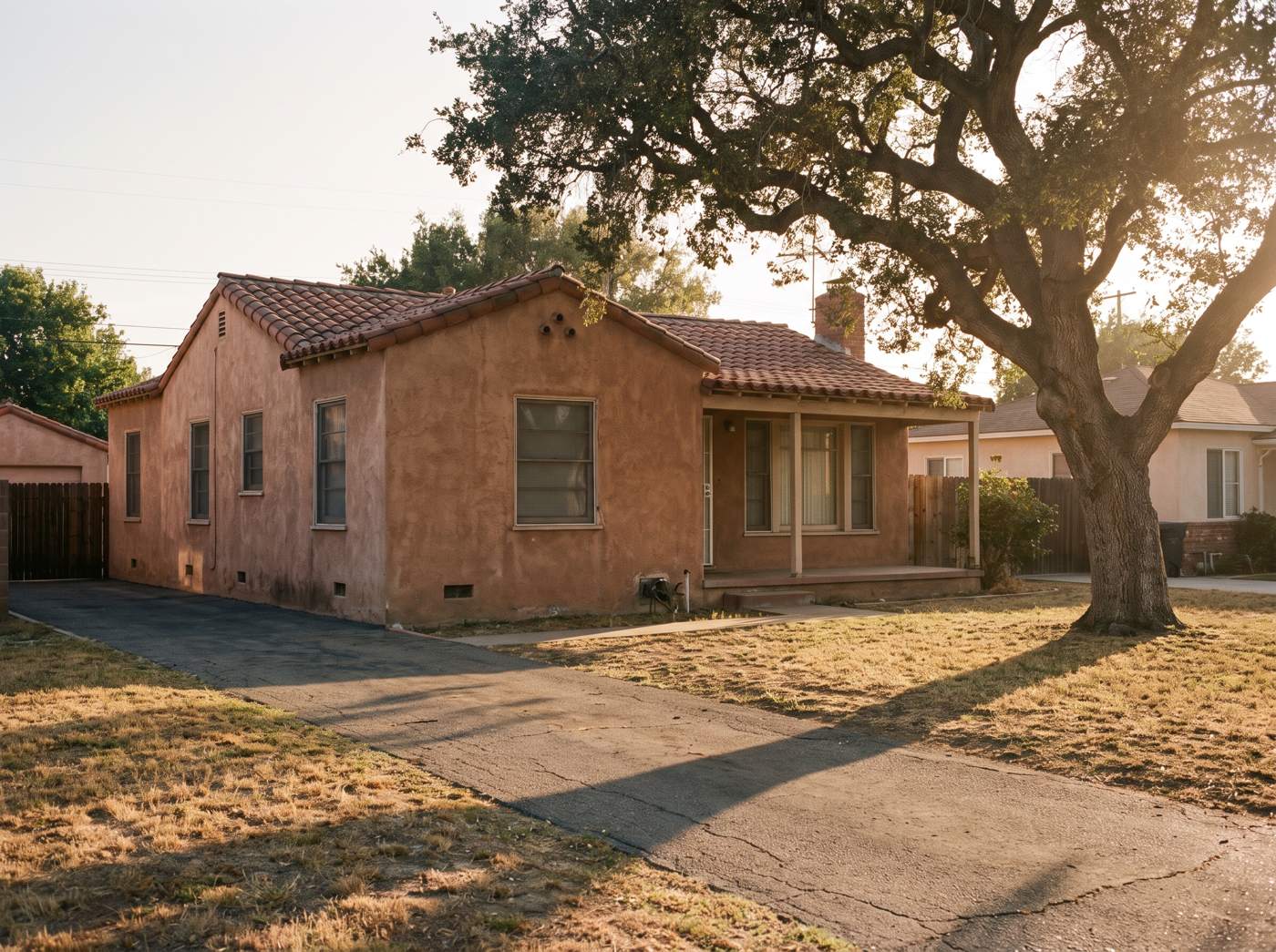
Where the estate's main asset is a house, the will decides who receives it and in what shares, and that decision determines what happens afterwards.
Leaving a house to several children in equal shares is the most common arrangement and the most common source of later dispute, because it creates co-ownership between people who may want different things. That is how partition actions begin.
It is worth deciding deliberately whether the intention is that they hold it together, that one buys the others out, or that it is sold. Saying so in the document, and providing a mechanism, prevents most of what follows.
The documents that go with it
A durable power of attorney for property and finances, which covers the period when someone is alive but cannot act. Without it the family's route is a conservatorship, which is a court proceeding.
An advance health care directive for medical decisions.
A trust where the objective is to avoid probate, with a pour-over will alongside it.
The set works together. Documents drafted at different times by different people frequently do not, and the inconsistency surfaces at the worst moment.
Execution requirements for witnessed wills, and the circumstances in which a handwritten will is valid without witnesses.
Call the firm
Describe the property and the dispute so the firm can assess whether it is a matter it handles.
Call to ask about an initial consultation.
Contacting us does not create an attorney-client relationship, and please do not send confidential details until we have agreed in writing to represent you.
Our offices
Venue by matter type
Wills across Southern California
A real property action is generally filed in the county where the property sits, not where you live.
Los Angeles
Los Angeles County. Court assignment is confirmed under the rules that apply to the specific matter.
Los Angeles officeOntario
San Bernardino County. Court assignment is confirmed under the rules that apply to the specific matter.
Ontario officeSan Diego
San Diego County. Court assignment is confirmed under the rules that apply to the specific matter.
San Diego officeCarlsbad
San Diego County. Court assignment is confirmed under the rules that apply to the specific matter.
Carlsbad officeFrom our writing
Wills explained
Articles by the firm on the questions this practice raises most often.
Answers before you call
Common questions
Does a will avoid probate in California?
Is a handwritten will valid in California?
What happens if I leave the house to my children equally?
Does my will control property in joint tenancy?
What happens when you call
No mystery, no pressure.
You describe the property and the dispute
The address, who else claims an interest, and anything already filed or recorded. Having those to hand is what makes a first call useful.
You find out whether it is work this firm takes
Real property, trust and estate litigation is what this firm does. If a matter sits outside that, the call is where you learn it.
Representation begins in writing, or not at all
No attorney-client relationship begins unless the firm agrees in writing to represent you. Until it does, please do not send confidential information.