
Real Estate
Adverse Possession Attorneys
Adverse possession is how someone can acquire title by occupying land, and it is also the claim we most often defeat on a single element.
What adverse possession requires in California
Adverse possession transfers ownership of land to someone who is not the record owner. Because that is a serious consequence, the requirements are strict and the burden is entirely on the person claiming.
The possession must be actual, meaning real use of the land rather than an assertion about it. Open and notorious, meaning visible enough that an owner paying attention would know. Hostile, which is a term of art meaning without the owner's permission rather than involving any hostility. Continuous for five years. And under either color of title or a claim of right.
Then the element that decides most California cases: Code of Civil Procedure section 325 requires that the claimant has paid the taxes assessed against the land claimed, for the whole five-year period.
Why the tax element defeats most claims
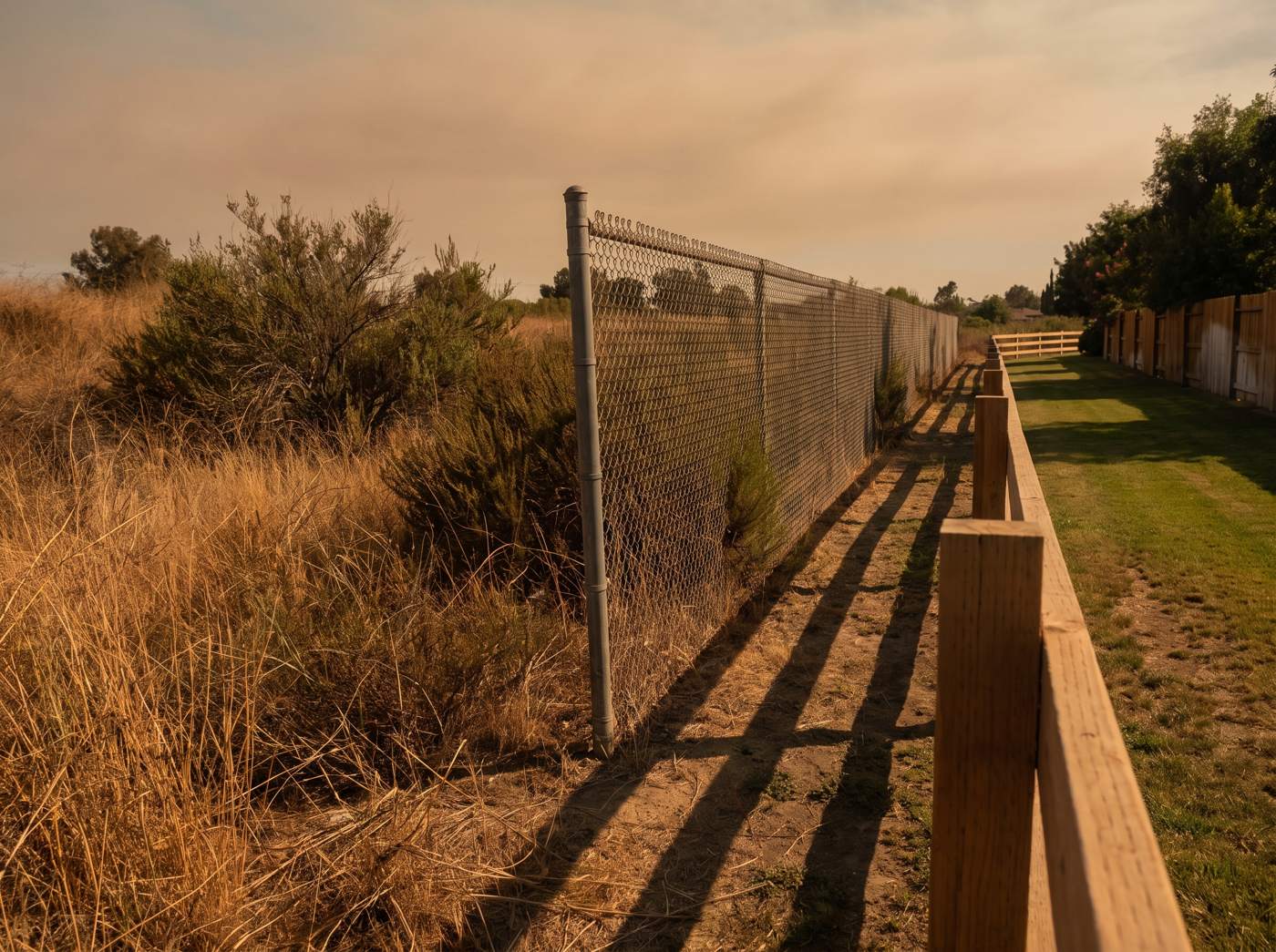
Property tax bills follow assessor's parcels. A person occupying an entire parcel can show they were billed and paid. A person occupying a ten-foot strip of a neighboring parcel cannot, because no separate bill exists for the strip.
That single practical fact is why the great majority of encroachment disputes are not adverse possession cases, whatever they are called when they arrive. A long-running use of a strip is analyzed as a prescriptive easement, which gives a right to continue using the land and requires no tax payment.
So the first question in any adverse possession matter is whether the land claimed corresponds to something the assessor bills separately. Where it does not, we say so early rather than after the research is paid for.
What a successful claim looks like
The claims that succeed generally involve a whole parcel rather than a boundary strip, in circumstances where the occupier has been treated as the owner by everyone including the tax collector.
A property taken over and maintained for years after an owner disappeared or died without heirs coming forward. A parcel conveyed by a defective deed, where the recipient took possession, paid the taxes and behaved as owner throughout. A long-abandoned parcel that a neighbor absorbed, fenced and paid on.
In each of those the tax element is satisfied because the parcel was assessed as a unit.
Defending your land against a claim
The most effective step is also the cheapest. Written permission, delivered and retained, makes the use non-hostile, and permitted use does not ripen into a claim however long it continues. It can be given at any time before the five years complete.
Get the assessor's records. If you have been paying the taxes on the land in question, the claim generally fails on section 325 regardless of what has happened on the ground.
Document the timeline, because the claimant carries the burden on every element including the five years, and a dated objection is evidence that the period was interrupted.
What does not help is waiting to see whether it becomes a problem. Time is the one element the claimant does not have to work for.
Bringing a claim
An adverse possession claim is brought as a quiet title action, which is the lawsuit that asks a court to settle who owns the land. Under Code of Civil Procedure section 392 it is filed in the county where the property sits. The court must hear evidence before entering judgment, even where nobody appears.
The evidence is historical and it degrades. Prior owners move away and die, photographs are lost, and memories of when a fence went up become unreliable. The tax records are the part that survives.
Before we take one on we establish the tax position, because a claim that fails on section 325 fails regardless of how strong everything else is, and it is not fair to run up costs discovering that.
Where these are heard
In the superior court of the county containing the property. The superior court assigns the courthouse and department under its current rules, which should be confirmed before filing.
The assessor's records that decide the tax element are held by the same county, which is a practical convenience when the five-year history has to be reconstructed.
Adverse possession requires five years of possession and payment of all taxes levied and assessed during that period.
Call the firm
Describe the property and the dispute so the firm can assess whether it is a matter it handles.
Call to ask about an initial consultation.
Contacting us does not create an attorney-client relationship, and please do not send confidential details until we have agreed in writing to represent you.
Related matters
Our offices
Answers before you call
Common questions
What are the elements of adverse possession in California?
How many years does adverse possession take in California?
Does adverse possession require paying property taxes?
How do I stop someone claiming adverse possession of my land?
Can someone claim part of my yard?
What happens when you call
No mystery, no pressure.
You describe the property and the dispute
The address, who else claims an interest, and anything already filed or recorded. Having those to hand is what makes a first call useful.
You find out whether it is work this firm takes
Real property, trust and estate litigation is what this firm does. If a matter sits outside that, the call is where you learn it.
Representation begins in writing, or not at all
No attorney-client relationship begins unless the firm agrees in writing to represent you. Until it does, please do not send confidential information.
Venue by matter type
Adverse Possession across Southern California
A real property action is generally filed in the county where the property sits, not where you live.
Los Angeles
Los Angeles County. Court assignment is confirmed under the rules that apply to the specific matter.
Los Angeles officeOntario
San Bernardino County. Court assignment is confirmed under the rules that apply to the specific matter.
Ontario officeSan Diego
San Diego County. Court assignment is confirmed under the rules that apply to the specific matter.
San Diego officeCarlsbad
San Diego County. Court assignment is confirmed under the rules that apply to the specific matter.
Carlsbad officeFrom our writing
Adverse Possession explained
Articles by the firm on the questions this practice raises most often.